Choose by the coffee you make
A better grinder starts with your brew method.
Baratza Encore ESP for espresso and filter coffee. Fellow Ode Gen 2 for a dedicated brewed-coffee routine. Here’s how to choose between them.
By BestOnAmz Research Desk · Last reviewed
Compare the two grinders ↓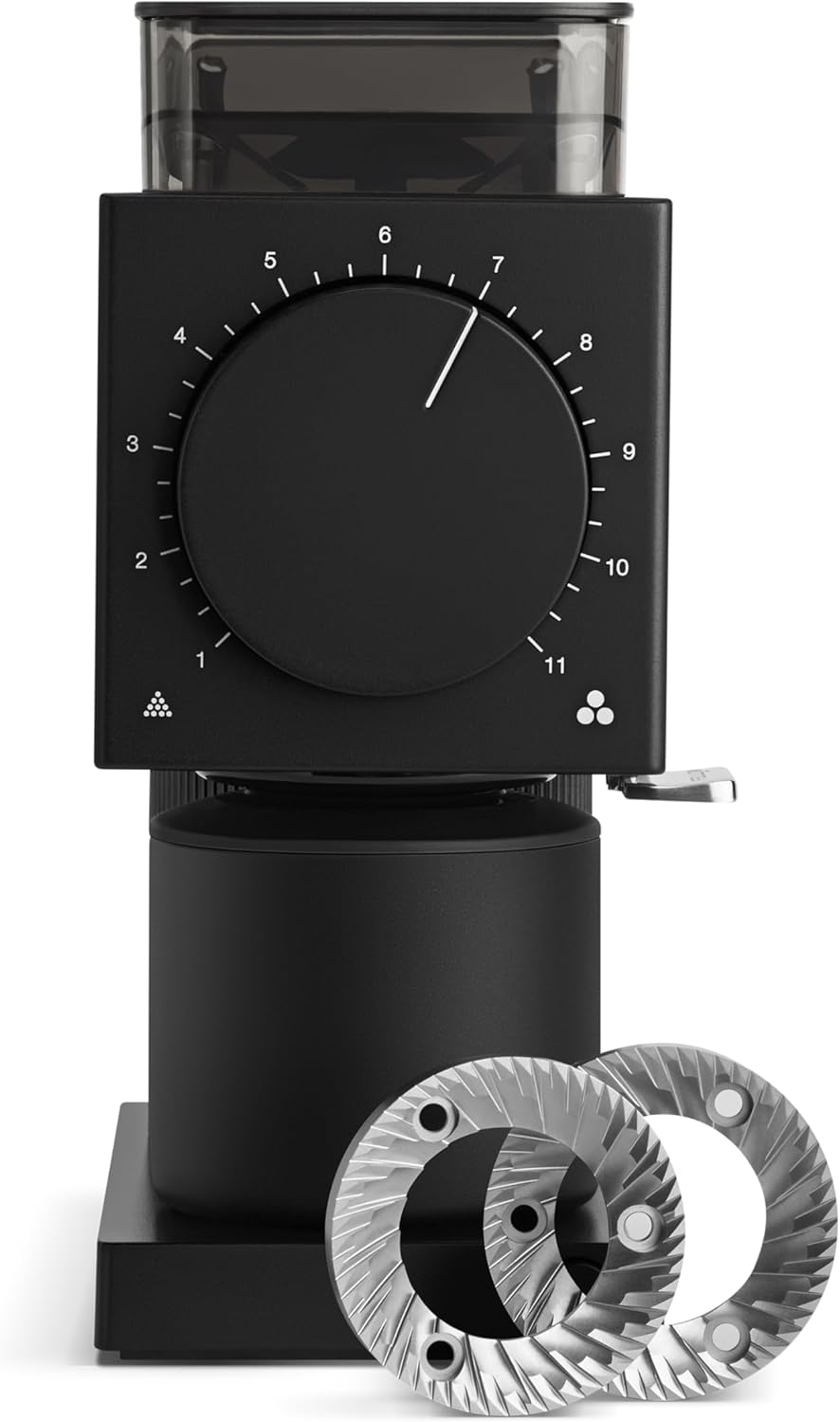
Encore ESP vs Ode Gen 2
Two grinders. Two different jobs.
This comparison is for shoppers choosing between an espresso-capable electric grinder and a single-dose filter specialist. The first question is whether you need espresso; the second is how you want to prepare each dose. Burr diameter alone cannot answer either.
01 / For espresso and filter coffee
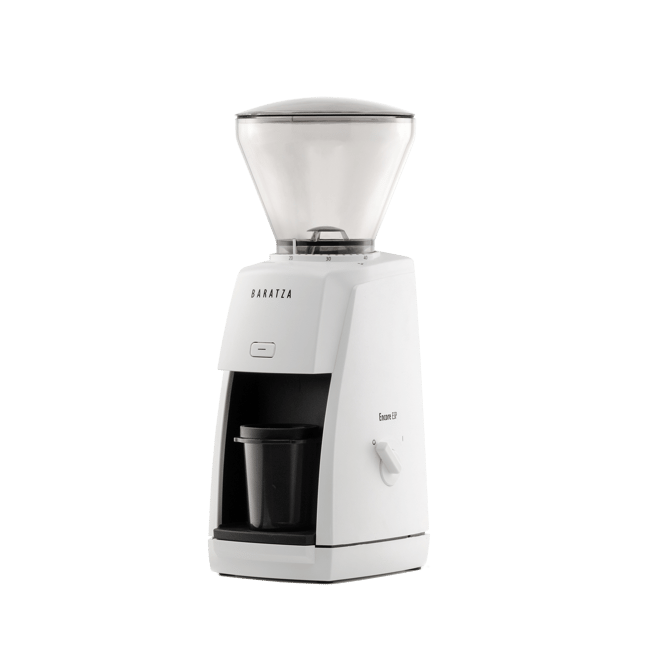
Baratza Encore ESP
Original ESP · ZCG495BLK Amazon listing
The relevant choice of these two when your grinder needs to serve both an espresso machine and a drip brewer.
- Fine adjustment range for dialing in espresso
- Separate coarser range for filter coffee
- Manual pulse and on/off controls
The trade-off: No dose timer. CoffeeGeek also found retained grounds, clumpy espresso output and weaker uniformity at coarse settings.
View Baratza Encore ESP on AmazonWhy we would choose it
Buy it for the espresso capability, rather than treating it as a universal upgrade. If your household switches methods daily, be comfortable weighing doses and changing settings between brews.
What the research says
CoffeeGeek tested manufacturer-supplied units and favored the espresso adjustment capability, with the drawbacks above. The manual assigns settings 1–20 to espresso and 21–40 to filter brewing.
02 / For a filter-only coffee routine
Fellow Ode Gen 2
Standard Gen 2 Brew Burrs · matte black
A dedicated brewed-coffee grinder for people who like weighing and loading the beans for each fresh batch.
- Single-dose loading with automatic stop
- 64mm flat burrs and 31 adjustment steps
- Designed for drip, pour-over and immersion brewing
The trade-off: It does not grind for espresso. Buy it as a dedicated filter grinder, not as a machine you expect to grow into espresso with.
View Fellow Ode Gen 2 on AmazonWhy we would choose it
Choose this workflow if you brew filter coffee and enjoy rotating beans. The specialist design makes sense when you want to load a separate batch each time; it is less compelling if you want a hopper-fed routine.
What the research says
The Coffee Chronicler liked the Gen 2 burrs after fitting them to a purchased Gen 1. That supports the burr choice, not a full Gen 2 machine test. Fellow confirms the filter-only design and standard burr configuration.
Picture your morning before buying
Espresso, then a drip batch
Start with the Encore ESP. Keep a note of the dose and setting for each coffee. Sharing one grinder saves counter space, but moving between methods adds adjustment work; consider whether everyone in the house wants that routine.
A different bag each brew
The Ode’s single-dose approach fits weighing beans before each batch. Decide whether that small ritual is part of the appeal. If you want to press a button and receive a measured dose, neither grinder here offers grind-by-weight dosing.
Mostly French press
Do not equate a coarse setting with uniform coarse grounds. The reported Encore weakness matters if that is the main problem you want to solve. We would not buy it specifically as a coarse-grind upgrade on the strength of its espresso reputation.
Before checkout
Get the right version.
Encore, Encore ESP or ESP Pro?
This comparison covers the original Encore ESP. The similar names are not interchangeable: match ZCG495 and the ESP name on the listing. The linked Amazon page selects the black version; the manufacturer photograph above shows white.
Standard Ode burrs or SSP?
The recommendation here is for standard Gen 2 Brew Burrs. The SSP package is a different purchase. Do not assume a more expensive burr option fixes an unsuitable brew-method choice: Fellow specifies the Ode for brewed coffee, not espresso.
Is either the best budget grinder?
This is a focused comparison, not a market-wide ranking or an under-$100 shortlist. Compare the delivered offers with your spending limit and check voltage, seller and returns. If neither fits, broaden the shortlist rather than buying a grinder that cannot serve your brewer.
Source trail
We do not personally test products. This comparison combines manufacturer documents with the attributed review findings linked above. CoffeeGeek received review samples from Baratza; The Coffee Chronicler tested purchased Gen 2 burrs in a Gen 1 Ode. We have not conducted a head-to-head taste test.
Reviewed October 11, 2026. Direct Amazon pages were matched to the named models; price and availability depend on the current offer and delivery address. Images show products, not BestOnAmz test photography. How we research.
Choosing mainly for French press? Compare batch size and timed vs single-dose routines →